

Foundation vs Concealer: Do You Need Both for Full Coverage?
Short answer: foundation evens out your whole face, concealer spot-treats specific areas like dark circles, redness or blemishes. You don't strictly need both every day, but for full coverage without a heavy, cakey finish, the trick is using less of each rather than piling on more of one. Apply foundation first as your base, then concealer only where you still need it, and blend both in thin layers.
In this article
- What's the actual difference?
- The right order to apply them
- Why makeup ends up looking cakey
- Do you need both, or just one?
- Getting the shade and finish right
- FAQ
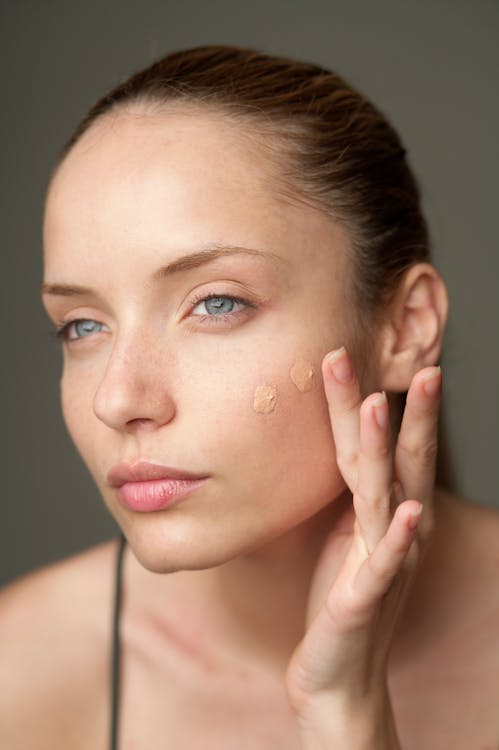
What's the actual difference?
Foundation is designed to even out your entire complexion and create a smooth base for the rest of your makeup. Concealer is more concentrated and precise, built to cover specific problem spots like under-eye shadows, blemishes or patches of redness that foundation alone doesn't fully hide.
A 2-in-1 formula, like a foundation and concealer combined in one product, is designed to give everyday medium coverage across the whole face while still being buildable in targeted spots. It's a practical shortcut for anyone who wants one product rather than two separate steps, especially on days when a full routine isn't realistic.
The right order to apply them
1. Skincare and primer first. A moisturised, primed base helps anything applied after it sit more evenly and last longer.
2. Foundation next. Apply this as your base layer across the whole face. Building up thin layers gives more control than applying one thick layer.
3. Concealer last, only where needed. Once foundation is on, you can see exactly what still needs extra coverage. Spot-conceal those areas rather than applying concealer all over, which is what most often leads to a heavy, mask-like finish.
4. Set with powder if needed. A light dusting of setting powder over concealed areas, particularly under the eyes, helps everything stay put without looking dry or flat.

A lightweight, buildable formula that combines everyday foundation coverage with concealer in one step.
Why makeup ends up looking cakey
Cakey makeup almost always comes down to too much product, not the wrong product. Layering a full face of foundation and then a full layer of concealer on top, followed by heavy powder, is the most common cause. Dry skin underneath makes it worse, since foundation and concealer both cling to flaky or dehydrated patches rather than sitting smoothly.
The fix is usually simpler than switching products entirely: moisturise properly beforehand, apply thin layers and build up only where needed, and use a damp sponge or light patting motion with fingers rather than heavy rubbing, which can drag product into fine lines.


A lightweight concealer designed to help cover dark circles and brighten the look of tired eyes without settling into fine lines.
Do you need both, or just one?
If your skin is fairly even and you just want a quick, natural look, a good 2-in-1 foundation and concealer is often enough on its own, especially one designed to be buildable in specific areas. If you have noticeably dark circles, defined blemishes or patches of redness that need more targeted coverage, adding a separate concealer just on those spots will get you further without adding more product overall.
There's no rule that says you must use both every day. The honest goal is coverage that matches what your skin actually needs that day, not a fixed number of product steps.
Getting the shade and finish right
Even the best technique won't look natural if the shade is off. Test foundation and concealer along your jawline in daylight rather than under indoor lighting, which can make shades look warmer or cooler than they really are. Skin often shifts slightly with the seasons too, so it's worth rechecking your match if you've had noticeably more or less sun exposure than usual.
Finish matters as much as shade. A satin or dewy finish tends to look more natural on dry or normal skin, while a matte finish can help control shine on oilier skin types. Neither finish is inherently better, it's really about what suits your skin and how long you need the makeup to last through the day.
Frequently asked questions
Should I apply concealer before or after foundation?
After, in most cases. Applying foundation first shows you exactly which areas still need extra coverage, so you use less concealer overall and get a more natural result.
Can a 2-in-1 foundation and concealer replace both products?
For light to medium coverage needs, often yes. If you need heavier, targeted coverage on specific areas like deep under-eye circles, a separate concealer applied only where needed can still help.
Why does my foundation look patchy by midday?
This is usually down to dry skin underneath, applying too much product at once, or skipping a setting step. Moisturising properly beforehand and building coverage in thin layers both help it wear more evenly through the day.
What shade of concealer should I use under my eyes?
A shade close to or very slightly lighter than your natural skin tone typically looks most natural and helps brighten the area without looking obviously lighter than the rest of your face.
Is it bad to wear foundation and concealer every day?
Wearing makeup daily is a personal choice and not inherently harmful, provided you cleanse properly at the end of the day and choose products suited to your skin type.
Build a simple, everyday base routine
Eveline's foundation and concealer formulas are an affordable way to get natural, buildable coverage.
Shop Makeup →Coverage and finish can vary by skin type and application.
Sources: Ipsy, Foundation vs. Concealer: What's the Difference?, bareMinerals, Which Comes First: Primer, Foundation, or Concealer?, Maybelline, Foundation vs Concealer: What's the Difference?.